Personalised Pathways in the Early Years: Learning Through Play with Purpose
Every moment of play is a chance to learn, connect, and grow. With thoughtful observation and a play-based curriculum, each child’s learning journey unfolds at the right pace — just for them.
A Foundation Built on Personalisation and Play
At SBS International School Bangkok, the Early Years programme is built upon the foundational principle that a child’s education must be both personalised and developmentally appropriate. We are committed to blending academic purpose with the natural curiosity of play, ensuring that learning evolves with each child’s age and stage.
The ‘Head – Heart – Hands’ Approach for Toddlers
For the youngest children in the Toddlers phase our ‘Head – Heart – Hands’ approach is heavily centered on sensory exploration and purposeful play. Recognising that development at this age is rapid and holistic, personalisation takes the form of allowing children to direct their own investigations within rich, stimulating environments. Teachers carefully design stations and activities that naturally address early literacy, numeracy, and communication skills without formal instruction. For instance, a water table may be set up to encourage early concepts of volume and measurement, while a dramatic play area promotes vocabulary expansion and social role-taking. Our teachers observe this play, and respond to each child’s emerging interest and developmental milestone, which is the core of personalisation at this age.
Transitioning into Nursery and Reception
As children transition into Nursery and Reception (ages 3 to 5) they join our Cambridge International Early Years programme which is the first stage in our Cambridge Pathway, which gives students a clear path for educational success from age 3-19. The Cambridge Early Years programme includes everything you need for high-quality learning: a holistic, balanced curriculum, utilising engaging classroom resources.
Personalised Learning Through Differentiated Play
In Early Years personalisation involves differentiated instruction still within a play-based framework. For example, while collaborative play with building blocks continues to foster problem-solving, the teacher may introduce specific challenges or materials (like number-stamped bricks) to extend the learning for those ready for early addition or spatial reasoning. For students exhibiting advanced literacy skills, a teacher might introduce a phonics game to their small group, while those still mastering letter sounds receive support through a more visual, hands-on activity. The play environment remains, but the learning objectives delivered by the teacher are explicitly tailored to the developmental readiness of smaller, flexible groups.
Observation and Assessment for Growth
Throughout the Early Years, our school’s success lies in its sophisticated assessment for learning. Teachers are not merely supervising; they are active researchers. They use continuous observation to chart a child’s developmental stage across multiple domains – cognitive, social, emotional, and physical. This ongoing, evidence-based observation allows our teachers to ‘measure and respond’ with personalised challenges and support. This commitment ensures that all children at SBS Bangkok are learning through natural, engaging play that is precisely calibrated to propel their individual progress. Rachel Crossland (Early Years and Primary Principal)
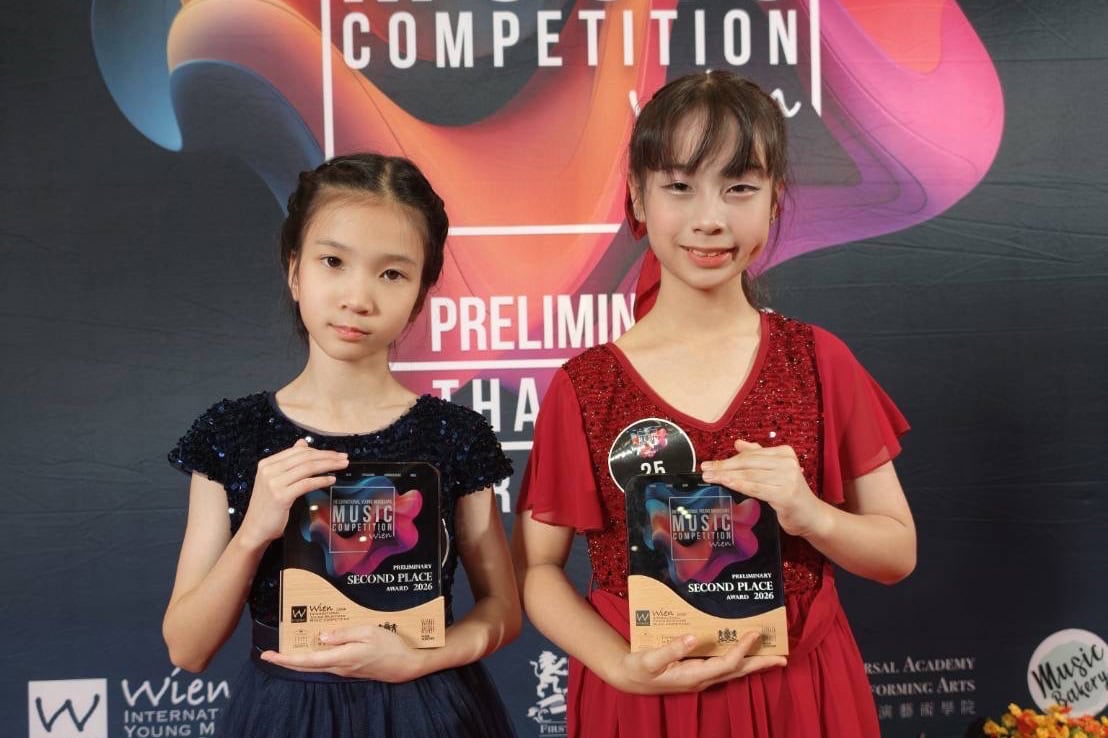
SBS Bangkok proudly celebrates Year 6 pianists Ample and ChiCha, who achieved Second Place in the Thailand Preliminary Round of the International Young…