Year 1 Soil Layers Lesson at SBS Bangkok: Hands-On Science Through Multi-Sensory Learning
Year 1 students at SBS International School Bangkok explored the four layers of soil through a creative edible model activity, turning science into a memorable, hands-on learning experience filled with curiosity, discovery, and fun.
Learning becomes more meaningful when children can see it, touch it, build it — and sometimes even taste it.
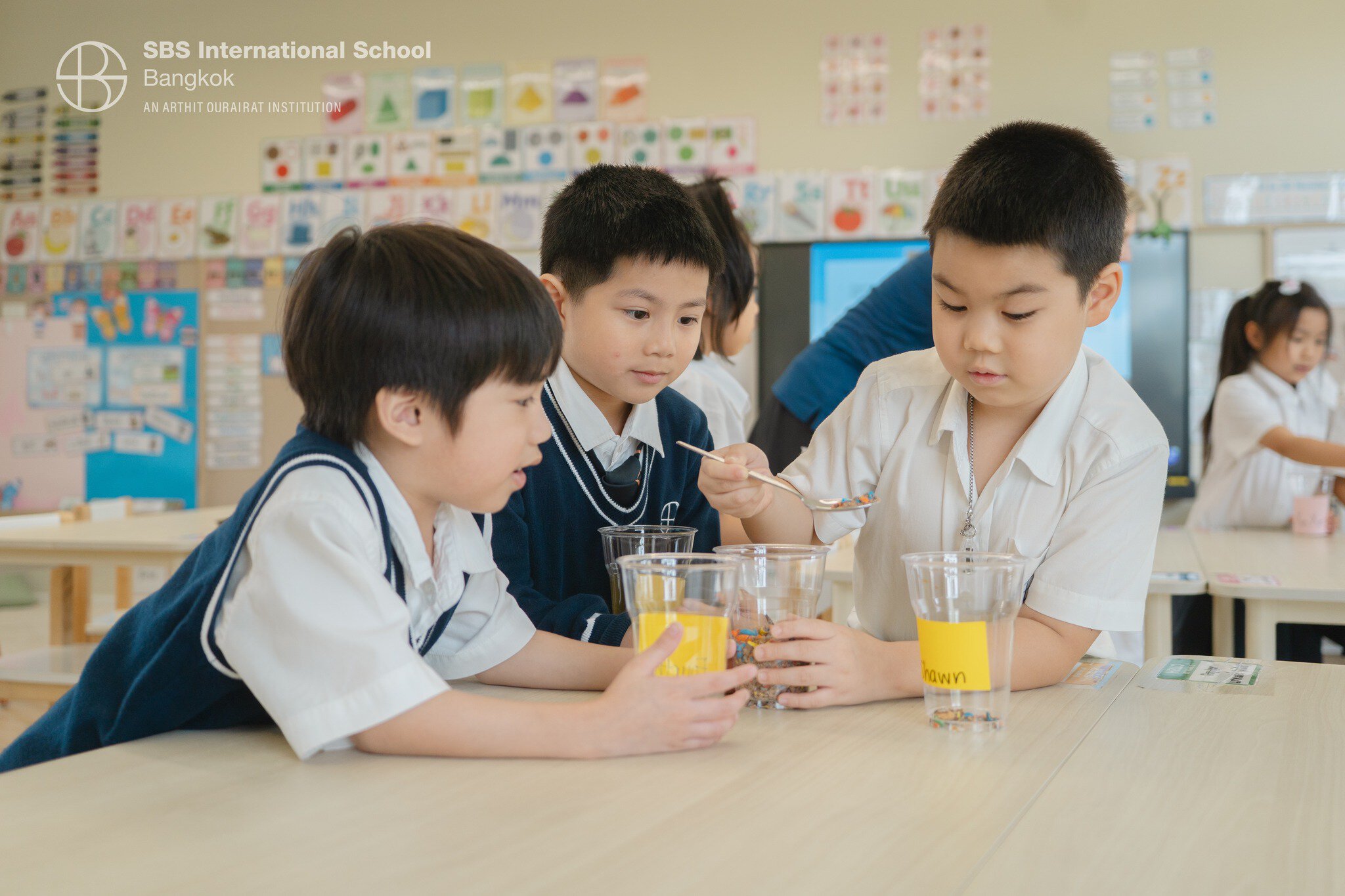
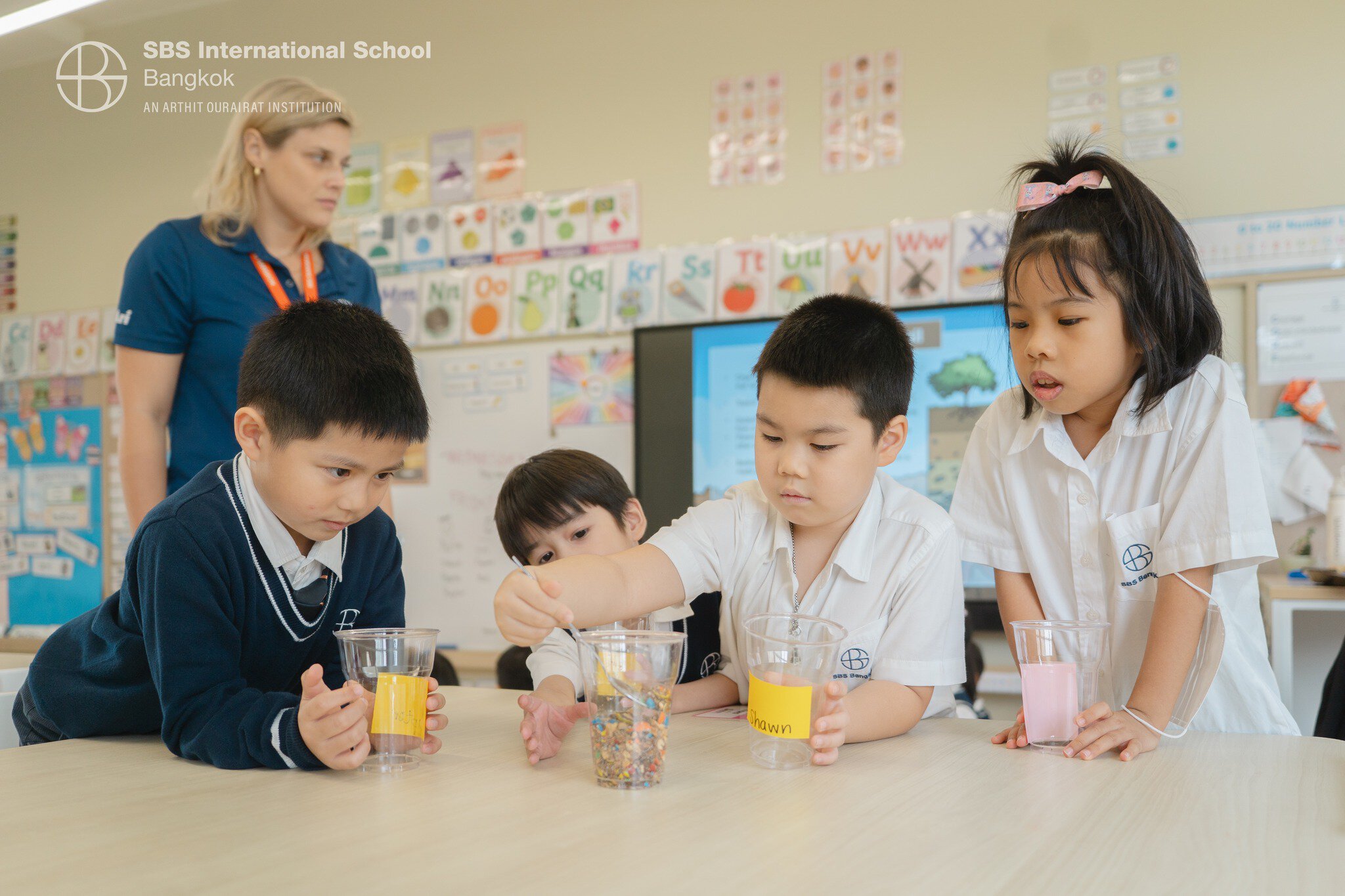
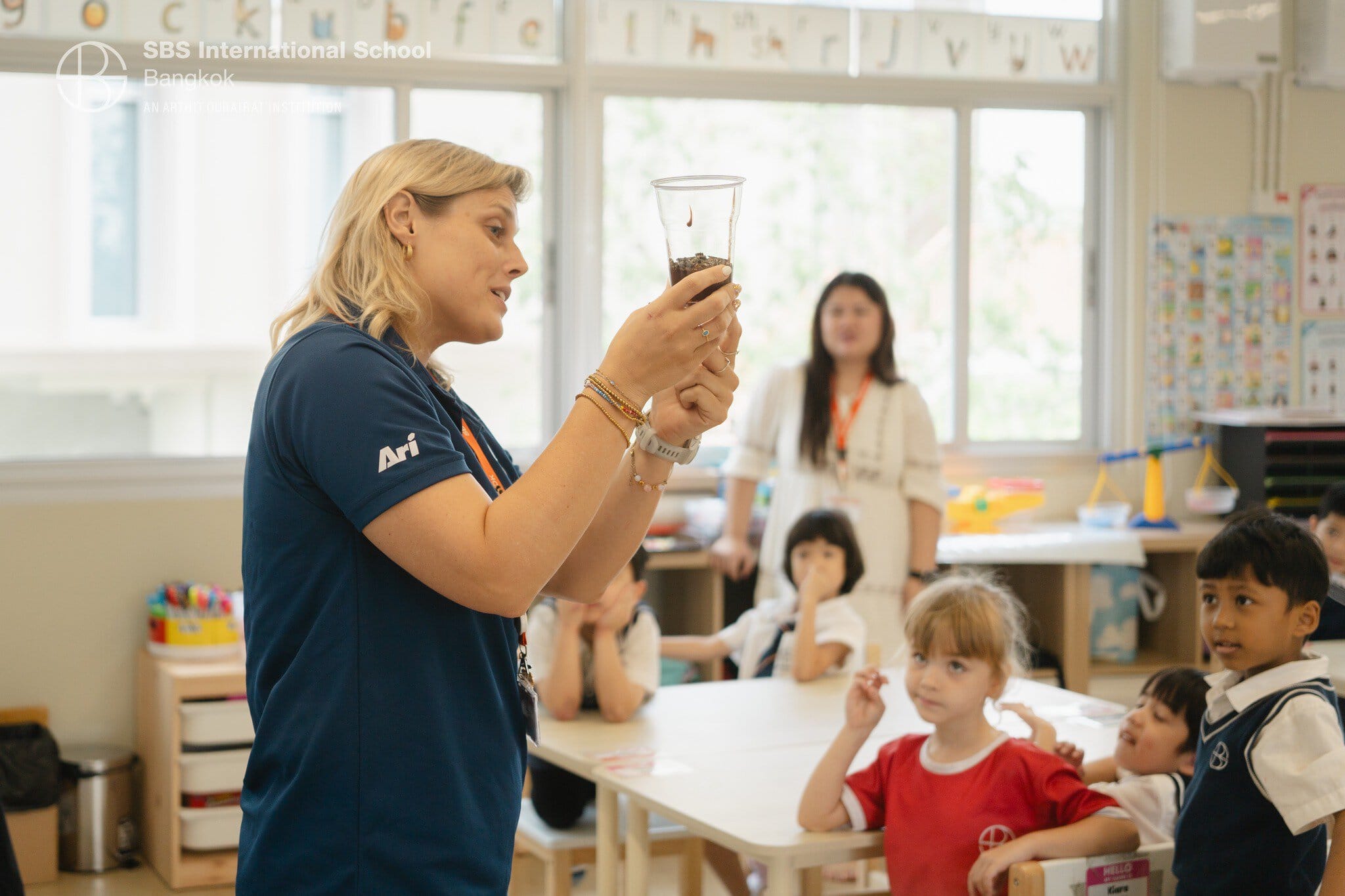
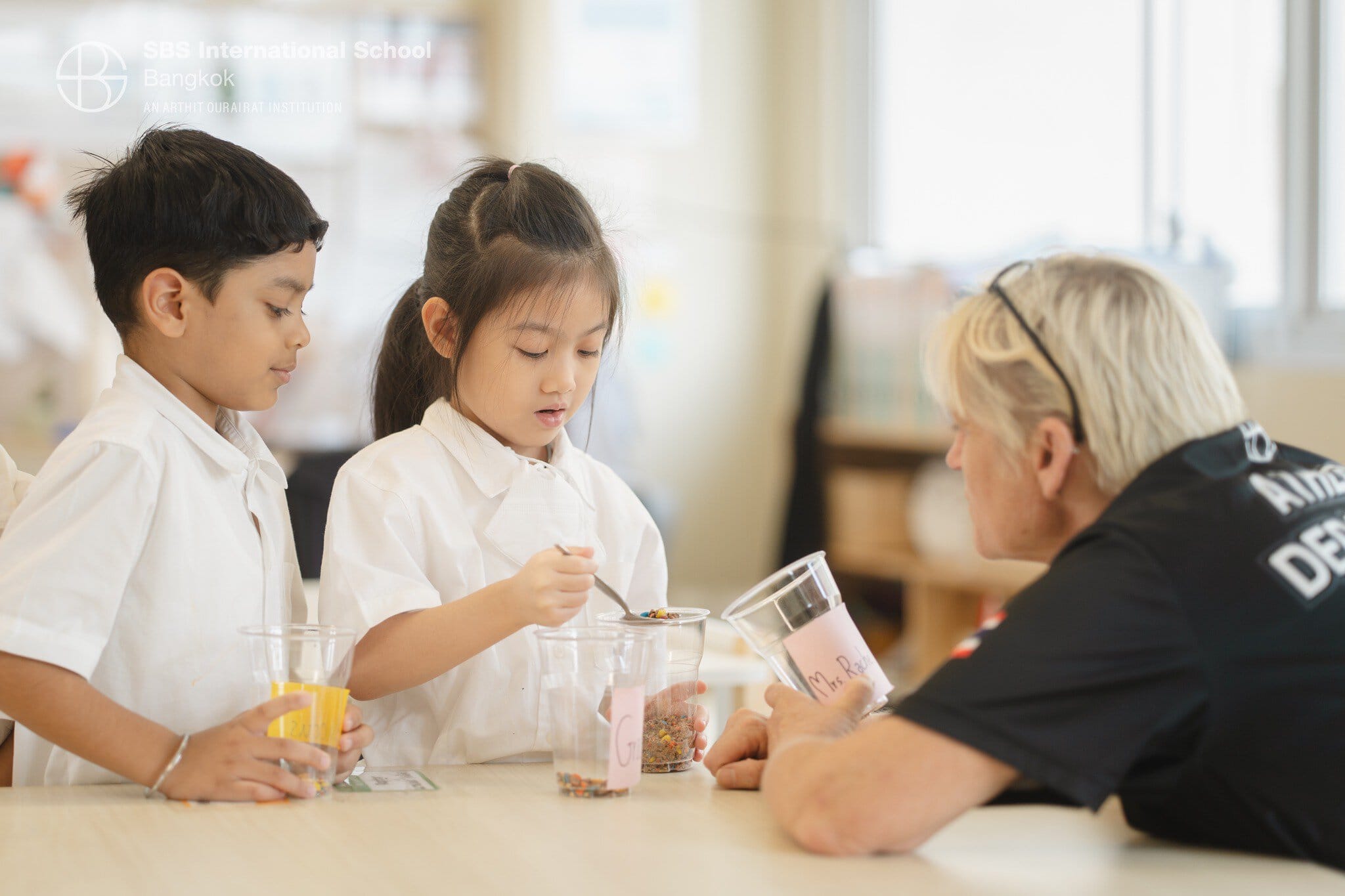
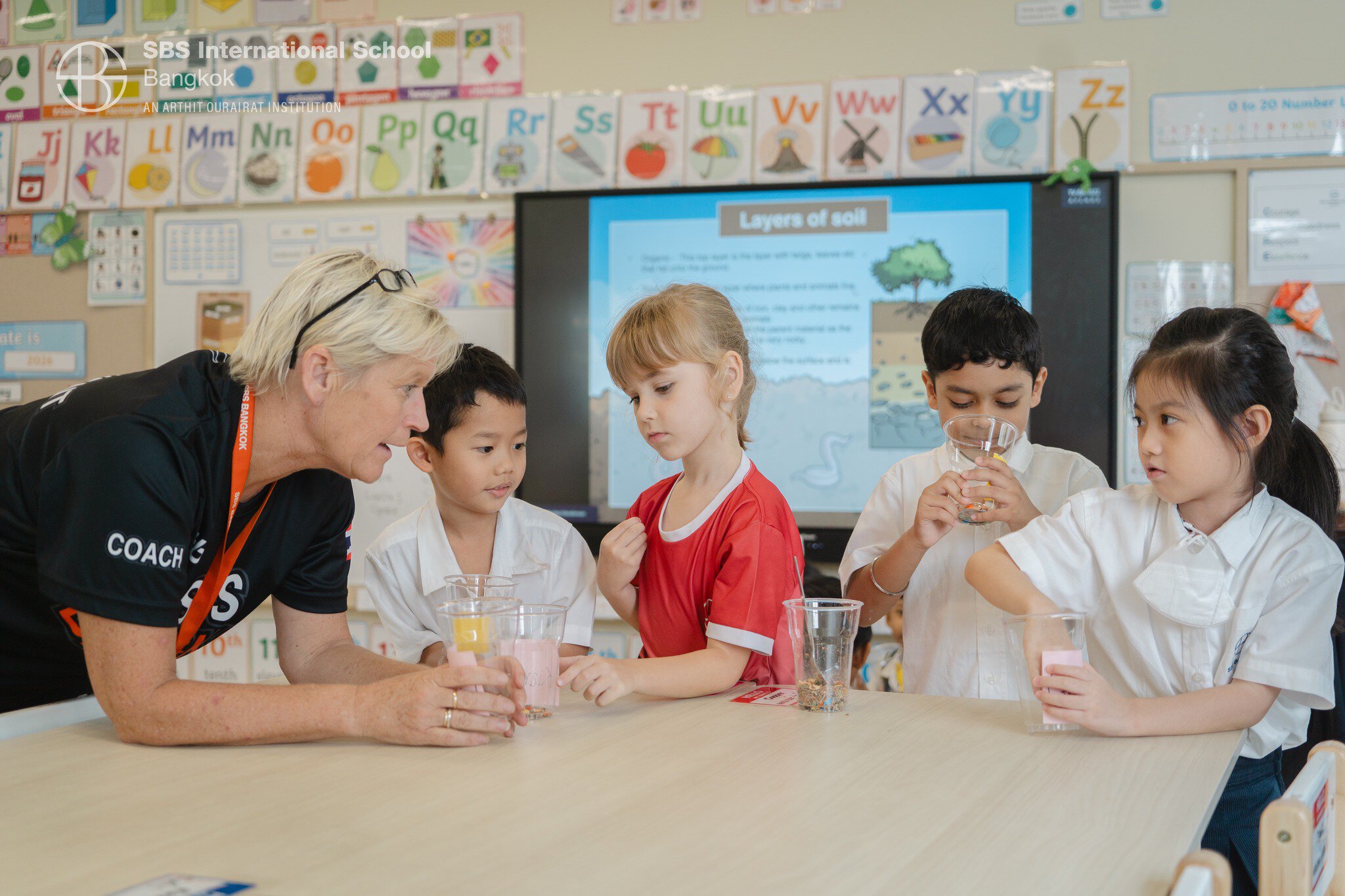
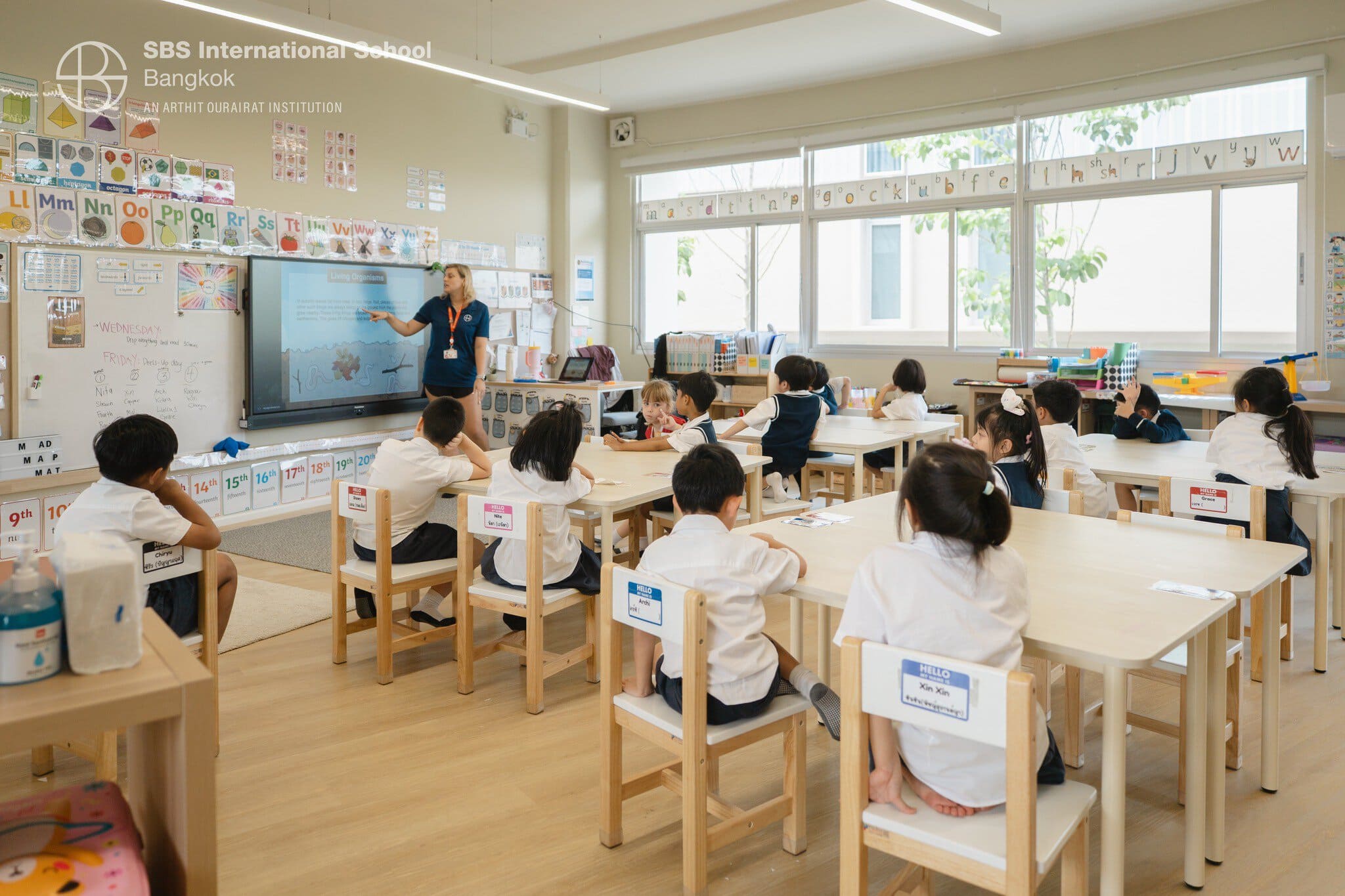
In Year 1, students at SBS International School Bangkok explored the four layers of soil through a hands-on science lesson designed to make an important concept both clear and memorable. Rather than simply reading about rock bed, rock fragments, subsoil, and topsoil, students created their own edible soil models to understand how each layer fits together.
Using peanuts to represent the rock bed, crushed M&Ms for the rock fragments, chocolate pudding for the subsoil, and crushed Oreos for the topsoil, students built each layer step by step. To complete their models, they added gummy worms and green “grass” on top, bringing their miniature soil worlds to life in a fun and creative way.
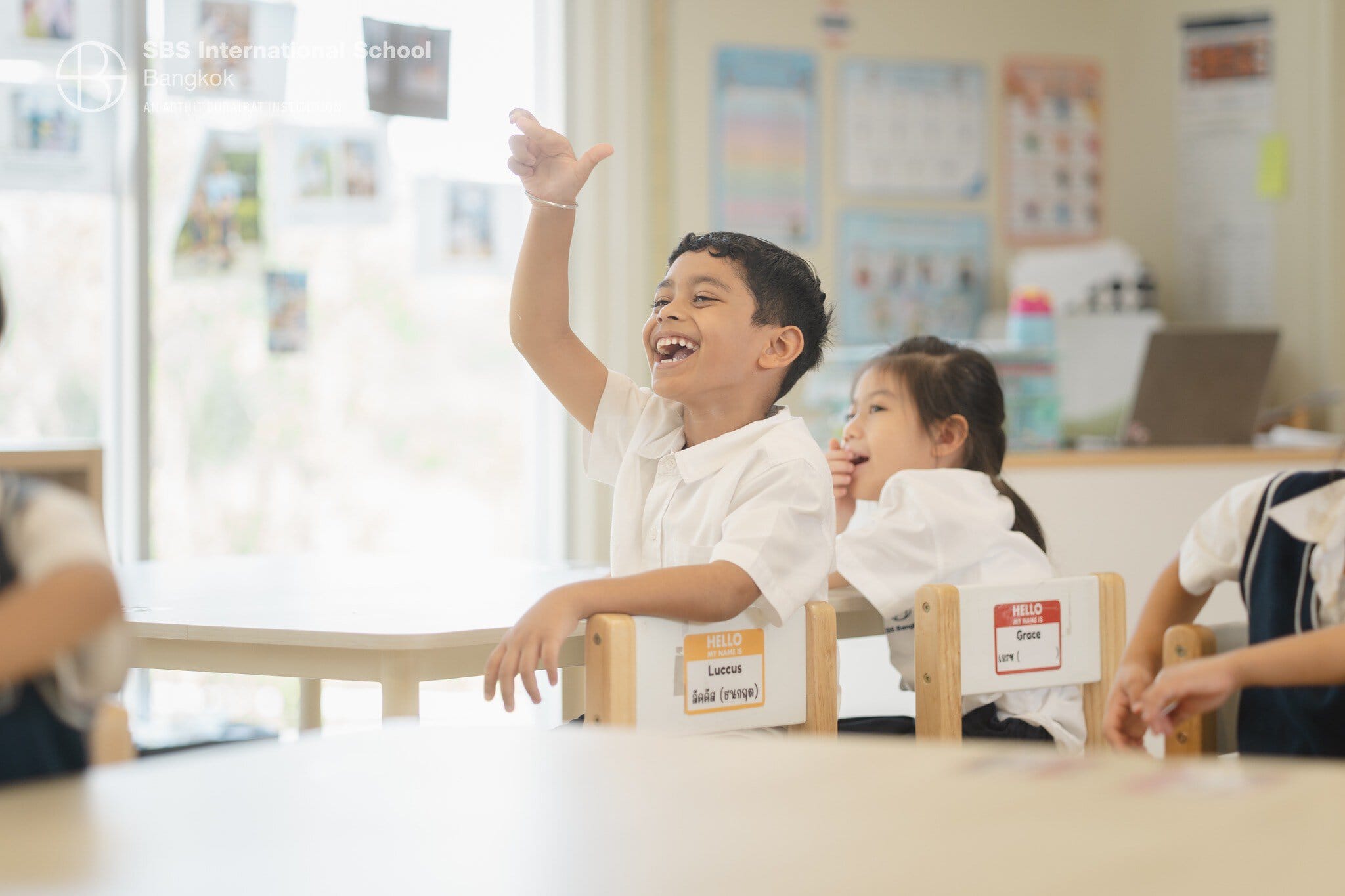
This kind of multi-sensory learning helps young children connect ideas more deeply. By using sight, touch, movement, and taste, students were able to experience science as something active and engaging, rather than abstract. The lesson encouraged curiosity, creativity, observation, and discussion, all while helping children remember the structure and purpose of soil layers more naturally.
For young learners, hands-on activities like this support confidence and understanding. They give students the chance to ask questions, make connections, and take ownership of their learning. In a British curriculum international school in Bangkok, these experiences are an important part of helping children build strong foundations in science while developing a genuine love of discovery.
And of course, after all the careful layering, building, and learning, there was one final highlight: enjoying their delicious soil creations at the end.
This Year 1 activity was a joyful reminder that meaningful learning does not always happen through worksheets or textbooks alone. Sometimes, the most memorable lessons are the ones children build with their own hands — experiences that spark curiosity, deepen understanding, and make learning feel alive.
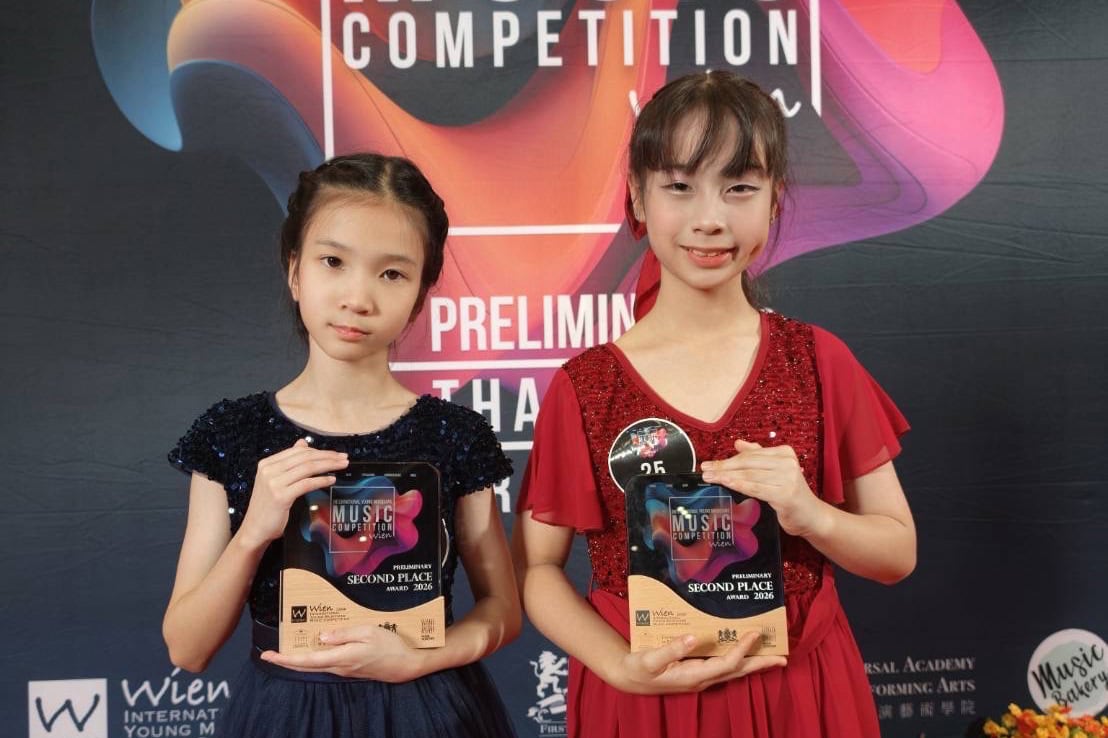
SBS Bangkok proudly celebrates Year 6 pianists Ample and ChiCha, who achieved Second Place in the Thailand Preliminary Round of the International Young…